Falling ill in Turkey: how pharmacies and ambulances work, and why everything hinges on insurance
By Мақсат Қыпшaқ и ИИ ·
Illness is the one thing travellers never write into their itinerary, which is exactly why it catches them off guard. A foreign language, unfamiliar names on the packaging, a hotel far from the centre, and by evening the pharmacies are closed too. Against this backdrop, Turkey turns out to be one of the most convenient countries to be in if you suddenly feel unwell: pharmacies are more common here than cash machines, a pharmacist often stands in for a first visit to the doctor, and medicine prices are the same across the country, whether you are in central Istanbul or a village on the coast. It is worth understanding how it all works in advance. Not to worry about it, but to act calmly when the moment comes and avoid overpaying.
The pharmacy: the first, and often the only, thing you need
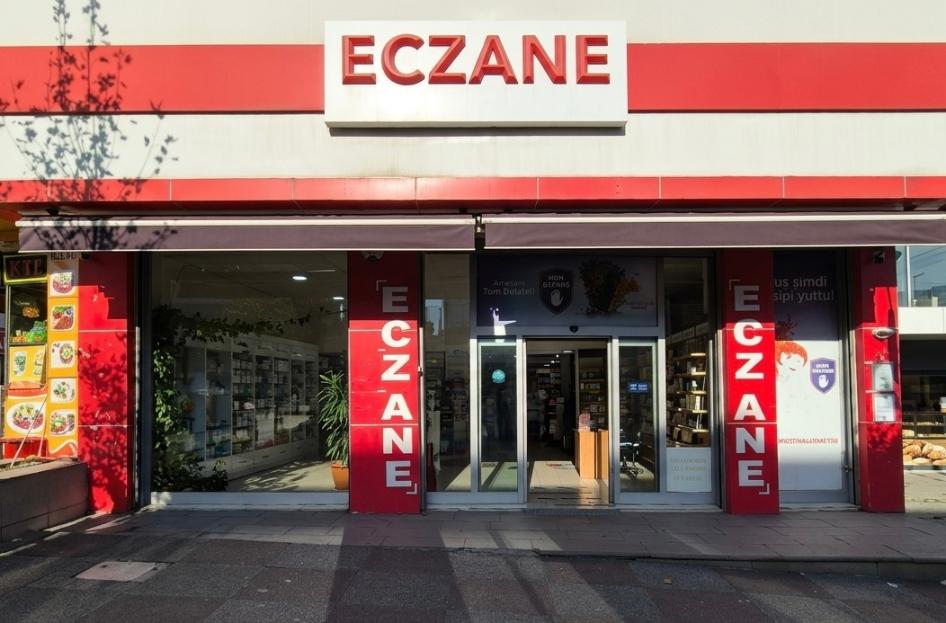
In most cases, a Turkish “visit to the doctor” starts and ends at the pharmacy. Finding one is easy: look for the large red ECZANE sign (pronounced “ejzaneh”). It is visible from afar, and pharmacies usually come in whole clusters near clinics and hospitals. Behind the counter you will find not a sales assistant but a pharmacist with medical training, and this is the key difference from what many visitors are used to: you can describe your symptoms and the pharmacist will choose a remedy for you. In Turkey, people with a cold, a fever, mild food poisoning or sunburn go here rather than to A&E. Pharmacies are open roughly from nine in the morning to seven in the evening and are most often closed on Sundays. Simple medicines for pain, fever, a runny nose or allergies are sold freely, without a prescription. Antibiotics and strong drugs are a different story: they are dispensed only with a Turkish prescription, and a Russian one will not work here. In resorts and big cities there is hardly any language barrier: pharmacists often speak English, and in places with many visitors from the CIS they understand Russian too. If it is still hard to explain, two tricks work: show the packaging or a photo of the medicine you need, or name the active ingredient in Latin letters.
How to find a familiar medicine under an unfamiliar name
The main difficulty is not buying a medicine but recognising it. The usual remedies are almost always on sale, but under different brands, so go by the active ingredient rather than the name on the packet from home. You will find paracetamol as Parol or Minoset, ibuprofen under the names Brufen and Nurofen, and if you need something stronger for a headache or toothache, the pharmacist will offer Majezik or Arveles. For colds, combination powders such as Tylolhot and Aferin tablets do the job; for diarrhoea ask for İmodium, for allergies Zyrtec or Cetrin, and for heartburn Rennie and Talcid will help. With an upset stomach, don’t forget an oral rehydration powder, the local equivalent of Regidron. One caveat matters here, and without it the advice becomes a risk: even similar-sounding medicines can differ in composition and dosage, so check the active ingredient on the packaging and, if in doubt, ask the pharmacist. You should certainly not prescribe yourself antibiotics. And a separate point for anyone who takes something regularly: bring enough of your long-term medication from home and don’t count on finding an exact copy locally.
When the city sleeps: on-duty pharmacies
Sooner or later the classic scenario happens: your temperature rises at night or on a Sunday, when everything is closed. For exactly this case, Turkey has a system of on-duty pharmacies, Nöbetçi Eczane (pronounced “nuh-bet-chee ej-zah-neh”). The pharmacies in a district take turns on a rota, so there is always one open nearby, even in the middle of the night. Finding it is easy. The quickest way is to google the words “nöbetçi eczane” together with the name of the district or town: the search will give you a list of those on duty today. If you have your phone but the internet is playing up, go to the nearest closed pharmacy: there is almost always a sheet on the door with the addresses and phone numbers of the on-duty ones. And if you are truly stuck, just say “nöbetçi eczane” to a taxi driver and they will take you to an open one. There is no need to fear being overcharged: at night medicines cost exactly the same as during the day.
When a pharmacy is not enough: Acil and hospitals
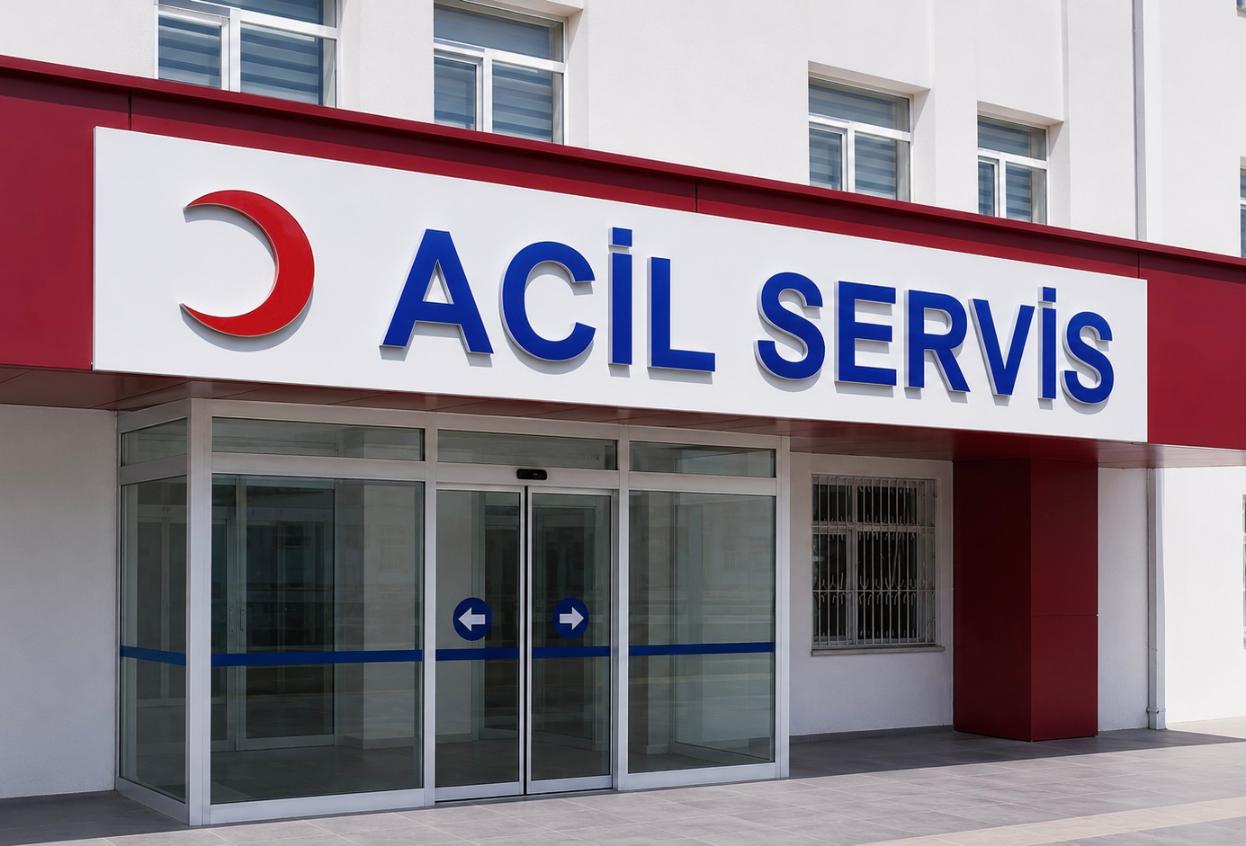
Some symptoms are no place for experimenting at the pharmacy: chest pain, difficulty breathing, heavy bleeding, loss of consciousness, a fever that won’t come down, or a serious injury. Then you need a hospital. The emergency department here is called Acil Servis. It is open around the clock, and you can walk in without an appointment. It helps to understand how it works: patients are seen according to how serious their condition is, so with relatively mild symptoms you will have to let those who are worse off go first. Hospitals themselves are either public (devlet hastanesi) or private (özel hastane): the former are cheaper but have queues, the latter are fast and comfortable, with interpreters, but noticeably more expensive. If the situation is truly critical, don’t waste time looking for a clinic: call 112. It is the single free emergency number, working nationwide and around the clock, even without a SIM card, and the state ambulance service responds to life-threatening cases: heart attack, stroke, road accidents, serious injuries. You can avoid language panic here too: say “English” to the operator and you will be transferred to an English-speaking member of staff. Say straight away whether you have insurance and which company issued it.
Prices: where it’s fair, and where it can ruin you
When it comes to pharmacies, Turkey is surprisingly transparent. Medicine prices are regulated by the state and are the same across the country, so hunting for a “cheaper pharmacy” is a waste of time: the one next door will charge exactly the same. Many medicines are also cheaper than in Russia and Europe, which turns the pharmacy shelf into an unexpected souvenir section. Treatment itself is another matter, and tourists find this out too late. Free healthcare in Turkey is for locals and for foreigners legally living in the country with insurance; a tourist pays for consultations, tests and hospital stays themselves. The only major exception is the emergency ambulance on 112 when there is a real threat to life: it is free for everyone. Otherwise, a private clinic may ask for a deposit or your bank card details before treatment even begins, and a few days in hospital add up to a sum that can ruin not just your holiday but your budget for months ahead. It is precisely this arithmetic that brings in the hero of the whole story: insurance.
Insurance: what turns a crisis into a formality
Travel insurance is taken out before departure, online, in a few minutes. A policy costs next to nothing compared with a real bill from a private clinic, and you cannot buy one once you have already fallen ill abroad: it only works in advance. Good insurance covers doctor visits, inpatient treatment, ambulance call-outs and transport, emergency dental care and sometimes evacuation home. Without it, all of this comes out of your own pocket in full, at the “tourist” price. The practical ritual takes a minute: save your insurer’s assistance number in your phone contacts and take a photo of the policy itself. Whatever the problem, call them first: the insurer will tell you which clinic to go to and how to arrange the visit so that the treatment is actually covered, rather than leaving you alone with the bill.
What to keep in mind before your trip
Most tourist mistakes are predictable. Some lose an evening searching for a “cheap pharmacy” that doesn’t exist. Some skimp on insurance for the sake of an extra dinner, and then pay for an IV drip at the price of a week of such dinners. Some arrive with a chronic condition, planning to “buy it there”, and can’t find an exact equivalent. And almost everyone forgets one simple little thing: bring the packaging or a photo of your usual medicine, so the pharmacist can find a substitute in a minute. Keep these four points in mind, and illness on holiday turns from a disaster into a short pause. To avoid getting lost in a foreign language, it is enough to remember a few phrases, which are easier to show on your phone screen: “İlaç lazım”: I need medicine; “Ateşim var”: I have a fever; “Karnım ağrıyor”: my stomach hurts; “Doktora ihtiyacım var”: I need a doctor; “En yakın eczane nerede?”: where is the nearest pharmacy?; “Ambulans çağırın”: call an ambulance.
The difference between a minor episode and a ruined holiday lies not in medicine but in insurance. Pharmacies here are friendly and inexpensive and pharmacists are competent, but serious treatment without a policy hits your wallet hard. So the best way to look after your health on a Turkish holiday is worked out at home, before you fly, and it costs less than one dinner on the waterfront.
This article is for general information only and is not a substitute for a doctor’s advice.