İstanbulkart: the key to Istanbul's public transport — how to get one, what it costs and how to use it properly
By Мақсат Қыпшақ ·
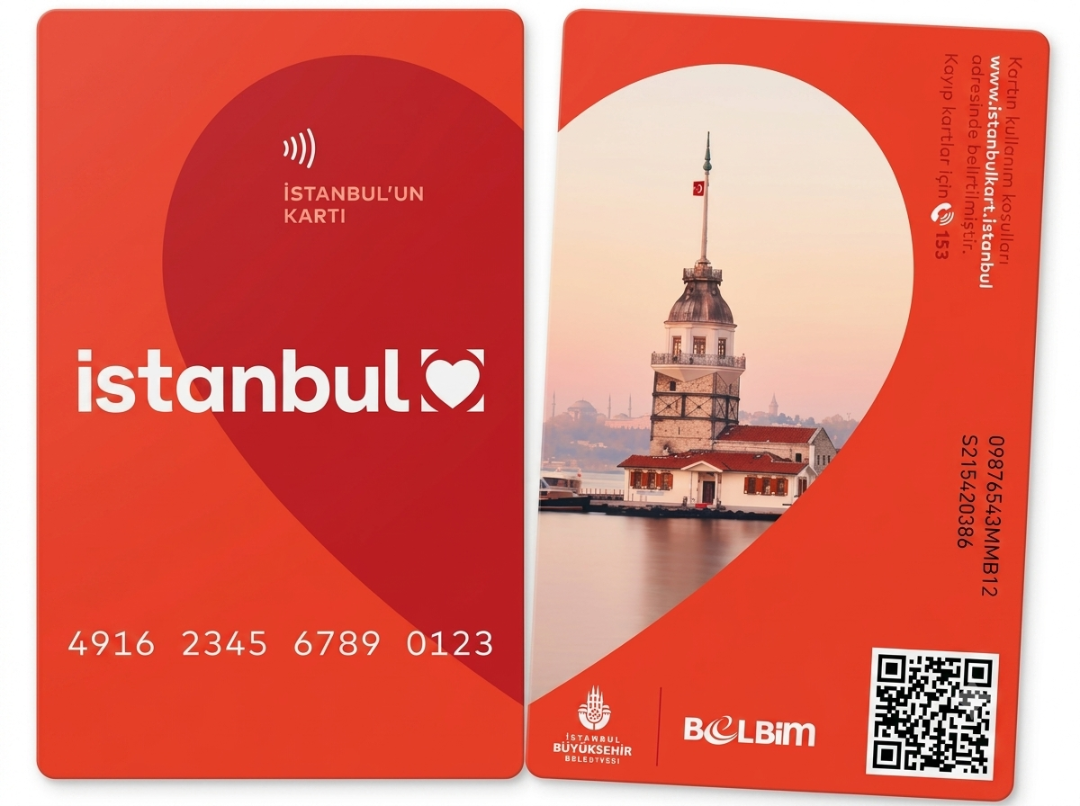
You step out of the airport or off the ferry, and the city hits you all at once: buses lined up three deep, a queue crowding the metro entrance, a ferry hooting in the distance as it pulls away from the pier. For a moment it seems impossible to make sense of it all — too many kinds of transport, too many different rules. Then you notice that almost every local is holding the same small plastic card, tapping it on the turnstile — and suddenly you realise that all this chaos actually runs on one simple system. That system is called İstanbulkart.
What İstanbulkart is and why it's hard to manage without it
İstanbulkart is a single transport card that works literally everywhere: on the metro, buses, trams, the Metrobus, the Marmaray commuter line and the ferries across the Bosphorus. Tap the card on the yellow validator, the turnstile opens and the fare is deducted automatically. You can travel without a card too, but it costs noticeably more: a single ticket without İstanbulkart is around 60 lira, while the same ride with the card costs 42 lira. Over a few days in a city where you can hardly get by without three or four kinds of transport a day, the difference adds up to a noticeable sum — so buying a card within the first half hour of arriving is almost always smarter than saving time by skipping it.
Where and how to get the card
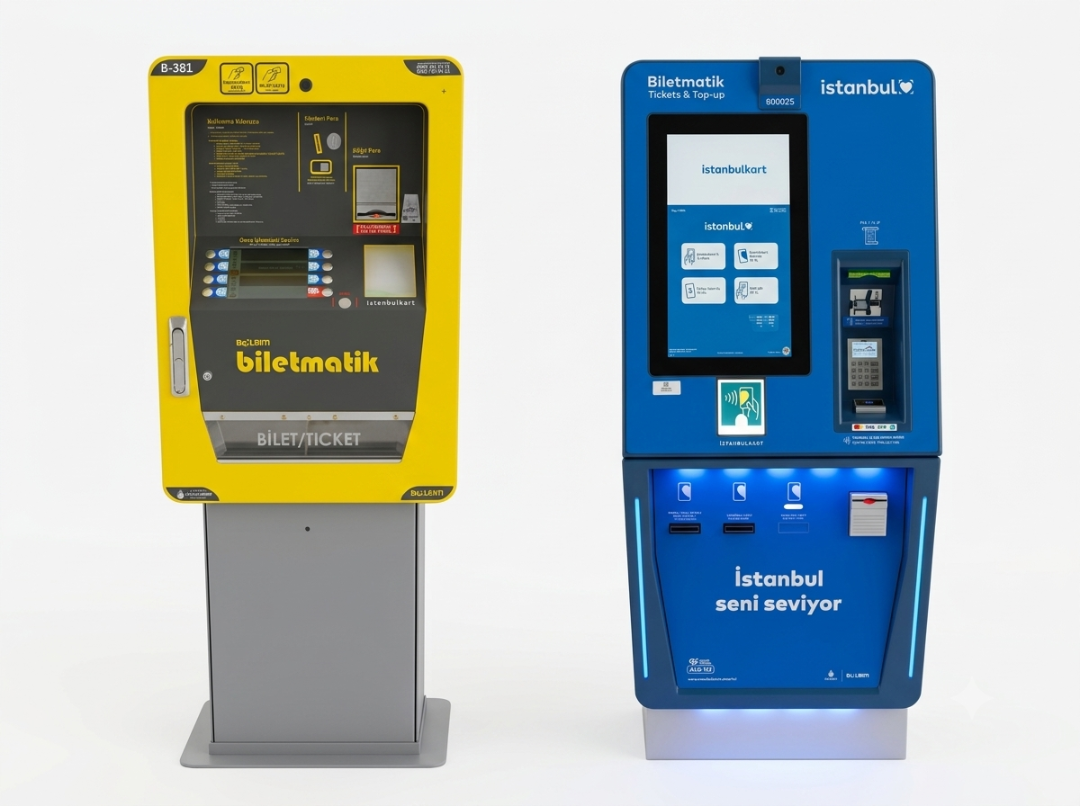
The easiest place is right at the airport: the terminals of Istanbul Airport and Sabiha Gökçen have Biletmatik machines — recognisable yellow-and-blue kiosks with a touch screen and a choice of languages, including Russian. The same machines stand at the entrance to almost every metro and Metrobus station and at many stops. Besides the machines, the card is sold at kiosks, newsstands and small shops near transport hubs — where you can also top it up. If one machine has run out of cards (it happens — they sell out from time to time), just walk to the next station or kiosk.
Which card to choose as a tourist
There are several kinds of İstanbulkart, and not all of them suit a visitor. The basic and most convenient option is the anonymous card (red, not linked to a name): you can buy it and use it straight away. It costs around 165 lira, and this amount is non-refundable — think of it as the price of the plastic itself, separate from the balance for your rides. There is also a special tourist version, the İstanbul City Card, sold at the airport and at a couple of points in the city centre. For a very short visit, literally a day or two, there are also "multi-ride tickets" — BIRgeç, IKIgeç and the like, valid for one, two, three or five rides without buying a full card. A personalised card with a subscription (Mavi Kart), on the other hand, is almost never needed by a tourist — it is designed for people who travel around the city for months.
How the balance works
The logic is simple: you load money onto the card, and each ride deducts the fare. You can top up the balance at the same Biletmatik machine by placing the card on the reader and waiting until the screen confirms the top-up — don't remove the card before that signal, or the money may not go through. The anonymous card has an upper balance limit, so you can't keep astronomical sums on it, while personalised cards linked to the İstanbulkart Mobil app have a monthly top-up limit — currently around 2750 lira a month — introduced more as an anti-fraud measure by the operator bank than as a restriction on tourists. For a visitor topping up the card for a few days ahead, this limit will practically never be a problem.
Can two people travel on one card?
Yes — and this is one of the most useful features of the system for tourists. The same card can be tapped on the turnstile several times in a row: you go through, tap the card again, and your companion goes through. So for a couple or a small group, one card for everyone is enough, as long as the balance covers everyone in turn. It's worth buying a separate card if you are travelling in a large group and don't want people holding up the turnstile one after another, or if you plan to split up and head to different parts of the city.
Transfers: who gets the discount
Here is a point that is rarely spelled out. Istanbul really does have a transfer discount system: within two hours of the first ride, each subsequent one is cheaper — the first transfer costs around 31 lira, the second around 24, and the third and beyond around 16. That's a noticeable saving for someone who, say, takes the metro, then changes to a bus and then to a ferry. But there is an important detail: according to the official regulations, the right to the aktarma (transfer) discount and the refund of the fare difference applies only to personalised cards registered to Turkish citizens. A tourist's ordinary anonymous card is not covered by this benefit — every ride on it is charged at the full fare, no matter how many times you have changed in the last hour. It's best to simply accept this as a given and not be surprised if the app shows a lower amount for your local companion than for you.
Types of transport and what to choose in each situation
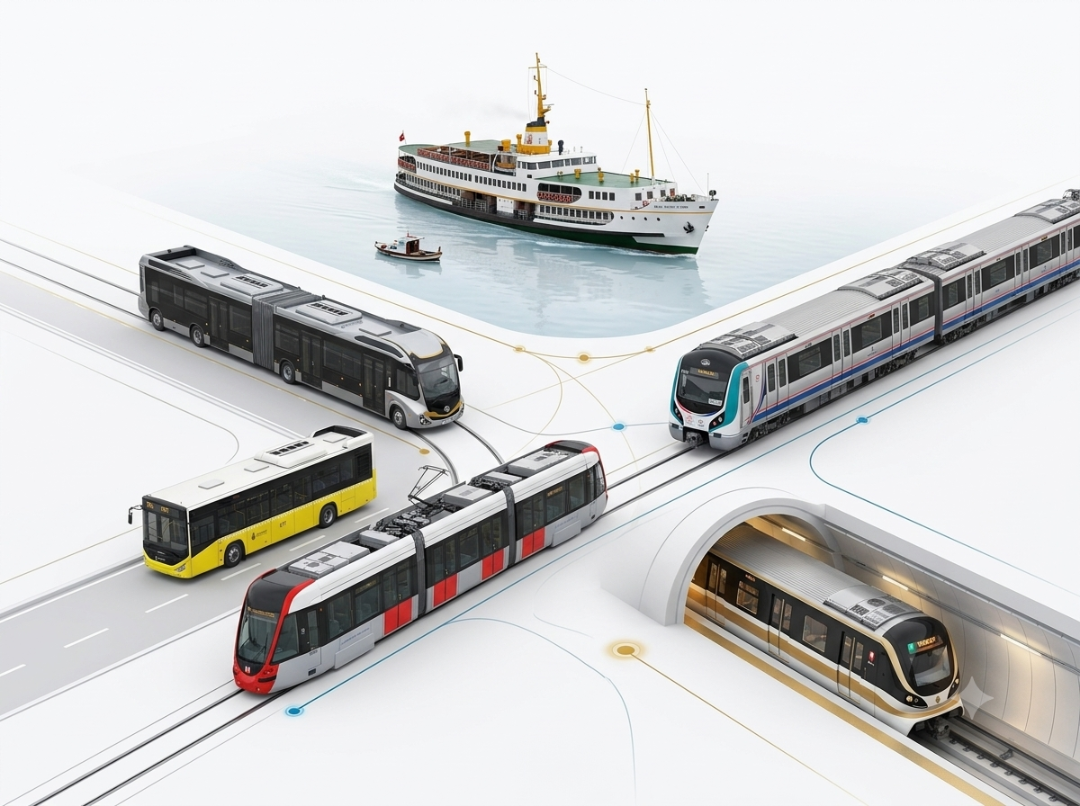
The bus is the most flexible option: the network covers almost the entire city, but at rush hour it sits in the same traffic jams as taxis, so for long trips during the day it's not the best choice. The metro is faster and more predictable, especially on the lines linking the Asian and European sides through the new tunnels. The tram is particularly handy for tourists: the historic line through Sultanahmet and the Galata Bridge runs past the main sights. The Metrobus is a dedicated express lane across the whole city and a lifesaver at rush hour, but its fare is calculated by distance: from 30 lira for a single stop to 62 lira for the longest stretch. Marmaray is an underground line beneath the Bosphorus that connects the two shores in a few minutes: from 34 lira between nearby stations to 75 lira on the longest section. And finally, the ferries — not just transport but one of the most beautiful ways to see the city: a trip across the Bosphorus usually costs within sixty lira, and for the atmosphere alone it's worth every lira.
Where else the card comes in handy
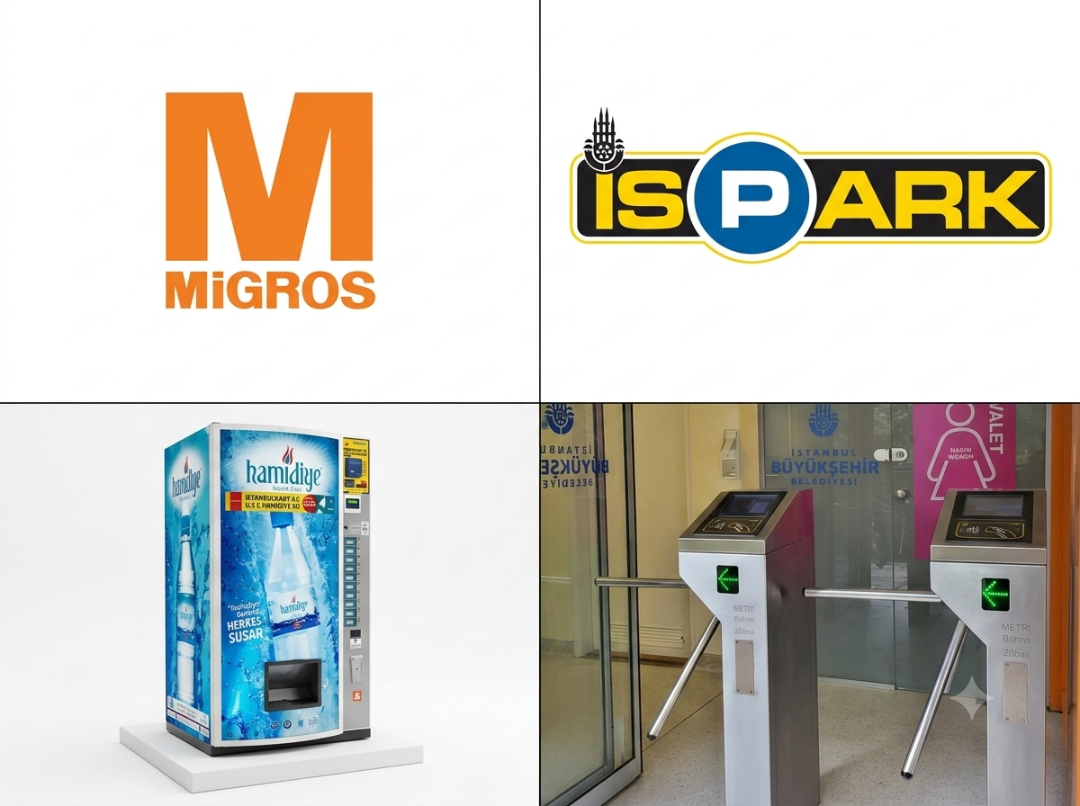
İstanbulkart isn't only for transport. You can use it to pay for toilets at metro stations, drinking-water machines, some İSPARK car parks and at the checkouts of certain chain stores such as Migros. Don't treat it as a full-fledged bank card — but it really does cover a couple of small everyday expenses without you needing extra cash in your pocket.
A few final tips
When you first buy the card, it makes sense to top it up straight away with enough for two or three days ahead — this saves you from queuing at the machine late in the evening. If your visit is shorter than two days and you'll only take a couple of rides, one of the limited tickets may be better value than a full card. The most common tourist mistake is buying a card not from an official machine or kiosk but from a random person near a station who offers "their" card with a balance already loaded: you are almost guaranteed to overpay, and sometimes the card turns out to hold less money than promised. Official points of sale are the only reliable option. With the card in your pocket, Istanbul stops being a puzzle and becomes a city where you can spontaneously turn towards the Bosphorus, hop on a ferry and be on the Asian shore twenty minutes later. And to make the same city open up in depth as well — routes, audio guides and precise tips on what to see and how to get there are always at hand on gezdir.me
gezdir.me - more than a guide